

We published two pieces on UK nuclear in quick succession. This note explains why, and where we think the sector’s strongest arguments sit.
The first piece looked at how nuclear and AI data centres are being discussed together, and asked whether AI demand should anchor the sector’s story. Our view is that a sector asking for public support on a long timetable is better served by arguments it can evidence itself. The second piece looked at what the public thinks, and why national support does not settle the question locally. Here is where we would start.
Bills. In a survey of 996 adults by Early Studies, commissioned by eleven energy trade bodies, lowering bills was the highest priority, at 72 per cent, and 63 per cent said clean power strengthens UK security. The second finding covers clean power generally rather than nuclear alone. In 2024, UK industrial electricity cost 26.6p per kilowatt hour including taxes, the highest of the International Energy Agency members reporting data against 21p in Germany and 16.3p in France. Meanwhile, output across four energy-intensive industries fell by a third between early 2021 and the end of 2024, and industrial energy use in 2024 was the lowest for over 50 years. We are not claiming one caused the other. The sector’s task is to show, with evidence, how new nuclear answers the bills question.
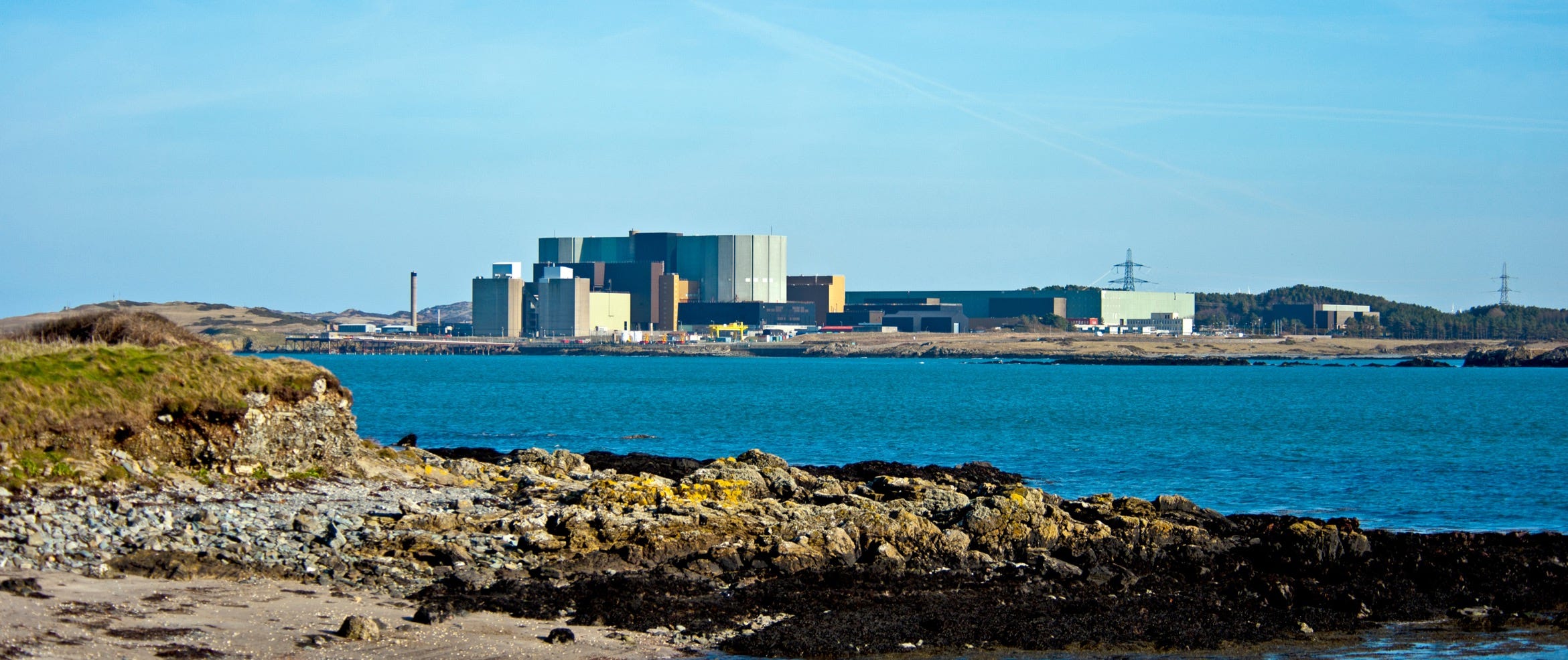
Jobs. Nuclear Industry Association figures count 102,606 nuclear jobs in 2026 up from 61,371 in 2021, with 86 per cent outside London and the south east. Three planned Rolls-Royce SMRs in north Wales are expected to support about 8,000 jobs, 3,000 of them local. On 4 September, Siemens Energy and Rolls-Royce SMR announced that Siemens Energy’s Newcastle works will make steam turbine components for those reactors, supporting more than 550 jobs. These are figures from the industry body and the companies involved, but they are specific, local and easy to check.
Cost. This is the argument the sector has to meet head on. The government’s nuclear regulatory taskforce reported in November 2025 that the UK has become “the most expensive place in the world to build nuclear projects”, saying regulation is central to that decline, and recommended a single regulatory commission and a more proportionate approach to risk. The government accepted all 47 recommendations in principle in March 2026. Any case built on bills will be tested against that finding, so the reform programme belongs inside the story from the start.
Belief. National polling is encouraging, with YouGov for the Nuclear Industry Association finding 53 per cent in favour of new nuclear power stations and 22 per cent against. Delivery happens in particular places, though. Sizewell C received development consent in July 2022, and Together Against Sizewell C challenged it in the courts until the Supreme Court refused its appeal. A national poll cannot tell you how a given community will respond, so we think belief is worth measuring project by project.
These four arguments work best together. Bills and jobs give the public and ministers a reason to care, cost reform shows that the criticism has been heard, and local belief shapes whether projects are built where they are needed. A case that leads with evidence and is candid about the challenges will last longer than one that leaves the story to others.
Each is an argument the sector can make in its own voice, with its own evidence.